Column · @finncayx206
When a General Dentist Recommends Further Dental Treatment
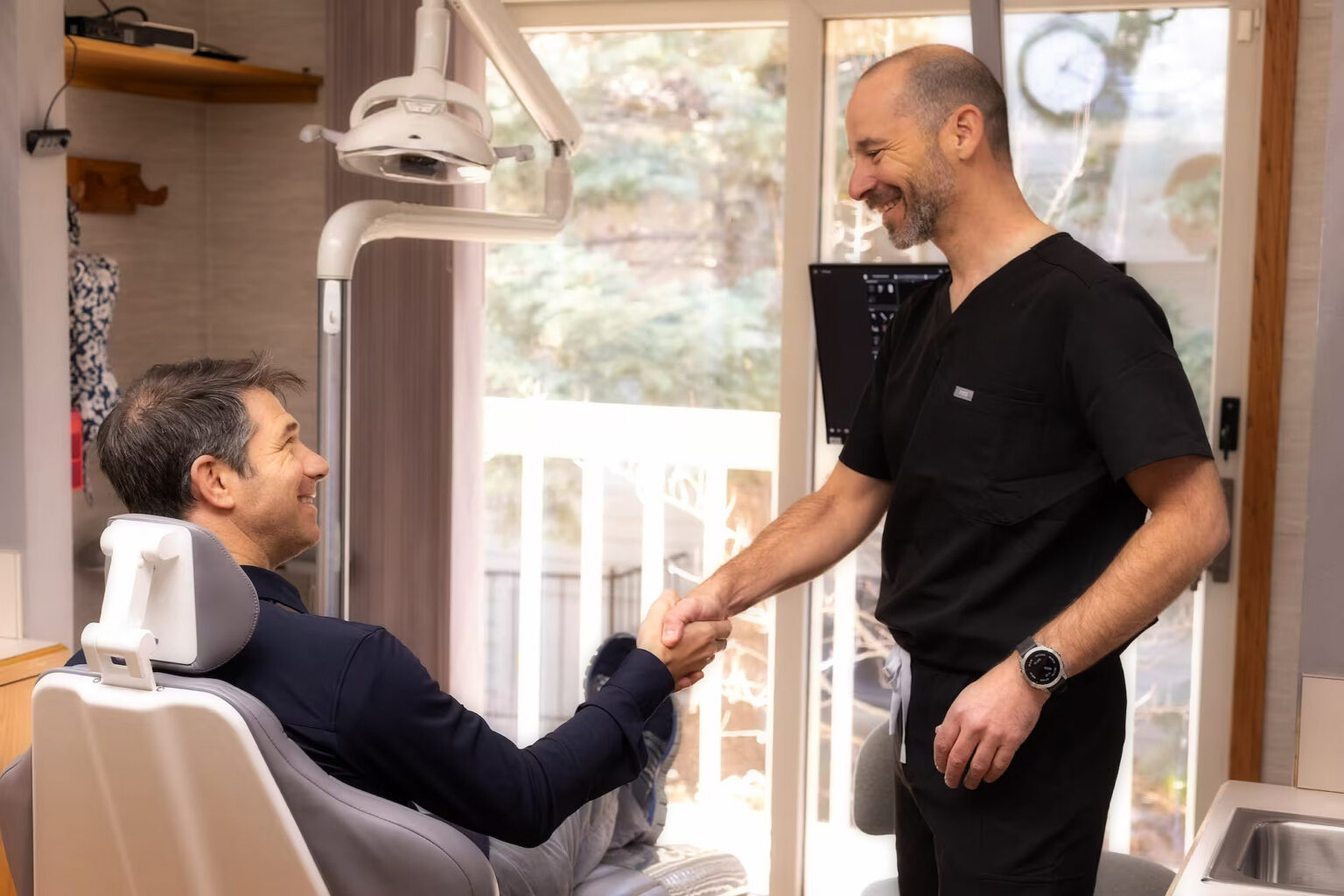


Most people book a dental visit expecting one of two outcomes. Either everything looks fine, or they leave with a reminder to floss more often and schedule a cleaning in six months. So when a General Dentist says, "I recommend additional treatment," it can feel like the appointment suddenly changed tone.
That moment carries a lot of weight. Patients often wonder whether the problem is urgent, whether the treatment can wait, whether the recommendation is routine or serious, and whether they are being pushed into something they do not fully understand. Those reactions are normal. Dentistry involves body parts you cannot easily inspect on your own, and many conditions progress quietly before they become obvious. By the time a tooth hurts, a cavity may already be deep, a crack may be larger than it first appears, or gum disease may have been active for months or years.
A thoughtful recommendation for further treatment is usually not about upselling. More often, it reflects pattern recognition, clinical experience, and the reality that small dental problems tend to become larger, more invasive, and more expensive when ignored. The key is understanding what your dentist is seeing, why they are concerned, and what each option means for your health, comfort, time, and budget.
What "further treatment" usually means
The phrase itself is broad. It can refer to anything beyond a routine exam and cleaning. Sometimes it means a straightforward filling for a cavity that showed up on an X-ray. Sometimes it means replacing an old crown with a failing margin, treating gum disease, fitting a night guard for signs of grinding, or referring you to a specialist for a root canal, implant evaluation, or wisdom tooth extraction.
In day-to-day practice, a General Dentist is trained to identify disease early, restore teeth, manage many common oral conditions, and recognize when a case would be better handled by an endodontist, periodontist, oral surgeon, orthodontist, or prosthodontist. That recommendation can sound dramatic even when it is routine. For example, referring a patient for a root canal does not necessarily mean the tooth is hopeless. In many cases, it means the tooth can be saved, but the nerve tissue inside has become inflamed or infected beyond what a filling alone can resolve.
Patients sometimes assume that if they are not in pain, treatment cannot be necessary. Dentistry does not work that way. Early bone loss from gum disease rarely causes immediate discomfort. Small cracks may not hurt until one day they suddenly split. Decay between teeth often advances without any visible surface changes. A dentist recommending treatment before symptoms become severe is often doing exactly what good preventive care is supposed to do.
Why a General Dentist may spot a problem before you do
There is a practical reason dental findings can feel surprising. The mouth hides damage well. Teeth have multiple surfaces, fillings can fail below the gumline, and infection can sit near a root tip without swelling or dramatic pain. Add to that the fact that many people have gradually adapted to subtle symptoms. They chew on one side without thinking about it, stop drinking very cold water, or normalize bleeding gums because it has been happening for years.
A General Dentist is not just checking for holes in teeth. During a standard exam, they are comparing what they see today against what should be normal and against your previous records. They are evaluating wear patterns, bite forces, gum attachment levels, recession, mobility, X-ray changes, broken contacts, plaque retention areas, failing restorations, suspicious lesions, and signs of clenching or grinding. That is a lot of information compressed into a short visit.
One common example is the patient who feels fine but has a large filling with a fracture line running through one cusp. The tooth may not hurt yet, but the structure is compromised. Left alone, that cusp can break off while chewing a sandwich or a piece of crusty bread. At that point the restoration may shift from a crown recommendation to a buildup, root canal, or extraction, depending on how deep the fracture runs. From the patient side, it may feel like the tooth went from "no problem" to "major problem" overnight. From the dentist's side, the warning signs were there earlier.
The most common reasons further treatment is recommended
Decay remains one of the biggest reasons patients hear they need additional care, but it is far from the only one. Recurrent decay around older fillings is especially common. Fillings do not last forever. Margins leak, materials wear, and teeth flex over time. Many adults who had extensive dental work in their twenties and thirties begin to enter a replacement cycle later on, where existing work needs maintenance or more durable solutions.
Gum disease is another major driver. Patients often underestimate it because they associate dental problems with pain, and early to moderate periodontal disease is often painless. A General Dentist may recommend a deeper cleaning, more frequent periodontal maintenance, or referral to a gum specialist because supporting bone has begun to shrink. Once lost, that bone does not reliably grow back on its own. Managing the condition early can help preserve teeth for decades.
Cracked teeth are increasingly common, especially in adults with heavy bite forces, untreated grinding, large restorations, or habits like chewing ice. Cracks are tricky because symptoms can be inconsistent. A patient may feel a sharp zing only when releasing pressure on a specific tooth, then go days without noticing anything. Dentists learn to take these vague complaints seriously because a crack can aspenwooddental.com General Dentist progress quietly.
Then there are bite-related recommendations. Sometimes the treatment is not about disease in the classic sense, but about preventing damage. A patient with flattened chewing surfaces, chipping front teeth, jaw soreness, and headaches may benefit from a custom night guard. At first glance, that may seem optional. In practice, it can spare restorations, reduce fractures, and lower muscle strain. Not every grinder needs immediate intervention, but many do better when the problem is addressed before crowns and fillings begin to fail repeatedly.
Why timing matters more than patients expect
One of the hardest parts of treatment planning is explaining that "not an emergency" does not mean "safe to ignore." Dental disease often moves on a timeline that is hard to predict with precision. A small cavity may remain stable for a while, or it may accelerate quickly depending on diet, saliva flow, oral hygiene, and the tooth's anatomy. A cracked tooth may function uneventfully for months, then fracture on a random Tuesday lunch.
When a General Dentist recommends treatment soon, they are often thinking in terms of preserving simpler options. A shallow cavity may need only a filling. If it deepens toward the nerve, the same tooth may need a crown or root canal. A tooth with early gum inflammation may respond well to cleaning and improved home care. Once the supporting structures break down significantly, long-term management becomes more complex and less predictable.
This is one of the least glamorous truths in dentistry: delay tends to remove choices. Patients often imagine postponement as a neutral act, but it is usually an active decision to accept higher risk. Not every recommendation is urgent, and good dentists should be candid about what can reasonably wait. Still, when a dentist says, "I would not sit on this too long," that phrase usually reflects experience with how these cases tend to unfold.
When a referral to a specialist makes sense
Some patients feel uneasy when their dentist refers them out. They may wonder why the General Dentist cannot simply handle the treatment in house. Often, the referral is a sign of sound judgment rather than a limitation to worry about.
Dentists differ in training, comfort level, equipment, and philosophy. A straightforward root canal on a front tooth may be managed by many general practices. A molar with curved, calcified canals and a history of pain may be best treated by an endodontist who performs those procedures all day, every day, using a microscope. The same principle applies to impacted teeth, advanced gum defects, difficult implant cases, and major bite reconstruction.
A good referral usually means the dentist is weighing the complexity of the case and choosing the provider most likely to deliver a durable result. That is especially important when anatomy is challenging or the cost of failure is high. Redoing dental work is rarely easier than doing it right the first time.
Patients sometimes fear a specialist recommendation means the situation is severe. Not necessarily. It often means precision matters. An oral surgeon may remove a wisdom tooth before it causes repeated infections. A periodontist may stabilize gum recession around a front tooth for both health and appearance. A prosthodontist may help with a complicated full-mouth rehabilitation where bite, esthetics, and long-term material behavior all interact.
How dentists decide between watching and treating
Not every suspicious area gets drilled, crowned, or referred immediately. Good dentistry includes restraint. One of the more important skills a General Dentist develops is knowing when to monitor a finding rather than intervene.
An early spot of enamel demineralization, for example, may be managed with fluoride, diet changes, improved cleaning, and observation. A tiny crack line that shows no symptoms and no structural weakness may simply be documented and reevaluated over time. A mildly worn tooth in a patient without pain or restorative history may not require more than education and periodic monitoring.
Those decisions depend on several factors. The dentist is looking at the size and location of the problem, whether it has changed since the last visit, your cavity risk, your bite forces, your home care, your symptoms, and your ability to return for follow-up. A recommendation to treat is rarely based on a single detail. It is usually the result of seeing how multiple risk factors stack together.
This is also why two dentists can look at the same tooth and offer slightly different plans without either being reckless. One may favor earlier restoration to prevent fracture. Another may feel the tooth can be watched if symptoms are absent and the patient understands the risks. Dentistry includes judgment calls. What matters is whether the reasoning is sound and clearly explained.
Questions worth asking before you decide
Patients do best when they understand the recommendation well enough to repeat it back in plain language. You do not need to become a dental expert, but you should feel clear on what problem is being treated and what might happen if you wait.
A short set of questions often helps:
- What exactly are you seeing, and can you show me on the X-ray or photo?
- How urgent is this, realistically?
- What happens if I wait three months, six months, or a year?
- Are there treatment alternatives, and what are the trade-offs?
- Will this likely solve the problem fully, or is it part of a larger plan?
Those questions are not confrontational. Most dentists welcome them. In fact, the best treatment conversations happen when patients ask for specifics. Seeing the crack on an intraoral camera image or the decay on an X-ray often changes the discussion immediately. Abstract concern becomes concrete.
One practical note from real-world experience: if the explanation feels rushed, ask for a pause. Dental appointments can run fast, especially when a practice is busy. It is reasonable to say, "I want to make sure I understand before I schedule this." A trustworthy office should be able to slow down, review the images, and explain the next steps in language that makes sense.
The financial side, and why it complicates good decisions
Money influences treatment timing far more than most dentists openly acknowledge. Patients do not just weigh health concerns. They weigh insurance limits, deductibles, work schedules, childcare, transportation, fear, and competing expenses. A crown may be clinically appropriate and financially difficult at the same time. Both facts can be true.
This is where communication matters. If treatment is unaffordable right now, say so directly. Many dental teams can stage care, prioritize the most urgent needs, or discuss financing. Sometimes there is a less ideal but acceptable interim option. Other times the honest answer is that a temporary fix may buy time but carries a meaningful chance of failing. Patients deserve that candor.
Insurance also causes confusion because coverage is not the same as necessity. Plans may deny or limit payment for treatment that is genuinely indicated. On the other hand, insurance approval does not prove a procedure is the best clinical choice. A General Dentist treatment plan should be based on what your mouth needs, not on the quirks of a benefit schedule.
I have seen patients postpone a recommended crown because the tooth "only needed a filling according to insurance," then return months later after the tooth fractured below the gumline. Insurance language can create false reassurance. The tooth does not know what your plan booklet says.
Why second opinions can be helpful, and when they are not
There are times when getting another opinion is sensible. If the treatment is extensive, expensive, irreversible, or poorly explained, a second evaluation can bring clarity. This is especially true when multiple teeth are involved, a tooth is being recommended for extraction, or the plan includes specialist care you were not expecting.
A good second opinion should review current X-rays, perform an exam, and explain not just whether the recommendation is right or wrong, but why. It is less useful to bounce between offices hoping someone will tell you nothing needs to be done. Patients sometimes do this out of understandable anxiety, but it can backfire. Delay grows longer, records become fragmented, and the disease keeps moving.
Second opinions are most valuable when you use them to understand the range of reasonable options. They are least valuable when treated like a search for the cheapest answer or the least inconvenient story. If two dentists offer slightly different approaches, ask what assumptions are driving each plan. One may be optimizing longevity. The other may be optimizing short-term affordability. Those are not identical goals.
Red flags, both clinical and interpersonal
Most treatment recommendations come from a legitimate place, but patients should still pay attention to how care is presented. Pressure is different from professional urgency. If a dentist cannot explain the diagnosis, will not show supporting findings when available, or jumps quickly into sales language without discussing alternatives, that is worth noticing.
By contrast, there are also patient-side red flags that deserve honesty. Repeatedly canceling recommended care, minimizing symptoms that are getting worse, or assuming pain is the only marker of seriousness can set up a preventable crisis. The most difficult emergencies in dental offices often begin as ordinary recommendations that were deferred until swelling, General Dentist fracture, or severe pain forced the issue.
A balanced way to think about this is simple. Trust should rest on evidence, explanation, and consistency. You want a dentist who can tell you what they see, what they recommend, what might happen if you do nothing, and where uncertainty still exists.
What follow-through looks like in practice
Once you accept a treatment recommendation, the real goal is not just getting the procedure done. It is reducing the chance that the same pattern repeats. A filling solves decay in one spot, but it does not solve dry mouth, frequent snacking, poor brushing technique, or high bacterial activity. A crown protects a cracked tooth, but it does not stop untreated clenching from damaging other teeth. Periodontal treatment can stabilize gum disease, but only if maintenance continues.
This is where dentistry becomes less about isolated procedures and more about habits and systems. The patients who do best long term usually understand the "why" behind the treatment and make at least a few practical changes after the appointment. Sometimes that means tighter recall intervals. Sometimes it means prescription fluoride toothpaste, a night guard, a water flosser, or simply learning how to clean around crowded lower front teeth more effectively.
The dental office should help translate recommendations into manageable actions. Not every patient needs a long list of instructions. In fact, too much advice often gets ignored. The most useful guidance is specific and realistic. Brush along the gumline at night. Stop sipping acidic drinks over several hours. Wear the guard consistently, not only when the jaw hurts. Return for the crown before the temporary breaks down. Small details matter.
The emotional side of hearing you need more work
Even when treatment is justified, many patients leave dental appointments feeling embarrassed, overwhelmed, or defensive. That reaction is common and understandable. Oral health carries a lot of emotional weight. People worry they will be judged for neglect, fear, finances, or long gaps in care.
A skilled General Dentist knows this and should communicate accordingly. The point of the conversation is not blame. It is clarity and next steps. Dental disease is influenced by behavior, but also by genetics, saliva quality, medications, pregnancy, reflux, grinding, age, and previous dental history. Some patients do many things right and still end up needing substantial work.
If you have ever felt scolded in a dental chair, it is worth saying that this is not how good care should feel. Serious information can be delivered respectfully. Patients are far more likely to follow through when they feel informed rather than shamed.
A recommendation is the start of a decision, not the end of one
When a General Dentist recommends further dental treatment, the most productive response is neither automatic acceptance nor automatic suspicion. It is engagement. Ask to see the problem. Ask how soon it should be addressed. Ask what the alternatives look like, including the risks of waiting. If the case is complex, consider a second opinion from a qualified colleague or specialist. If finances are the obstacle, say so early and plainly.
The best treatment plans are built on a partnership. Your dentist contributes training, clinical judgment, imaging, and experience with how oral disease behaves over time. You contribute your symptoms, priorities, tolerance for risk, schedule, and budget. Good care happens when those pieces are put on the table honestly.
Sometimes the recommendation will turn out to be minor and straightforward. Sometimes it will prevent a much larger problem. Either way, understanding why the recommendation was made is what turns a stressful moment into a manageable one.
Aspenwood Dental Associates and Colorado Dental Implant Center
2900 S Peoria St Ste C, Aurora, CO 80014, United States
+1 303-731-4037
FAQ About General Dentist
How long do teeth fillings last in Aurora, CO?
Fillings can last for years, but they are not lifetime restorations. Their durability depends on the material, the size and location of the filling, chewing forces, and oral hygiene. A general dentist can examine a filling for wear, damage, or new decay and explain whether monitoring, repair, or replacement is appropriate. Age alone does not establish that a filling needs replacement.
How Can I Reduce Dental Anxiety?
Tell the dental team about your concerns when booking and again at your visit. Ask for an explanation of each step, agree on a signal for breaks, and consider slow breathing or headphones if the practice permits them. Discuss pain control and any sedation options with the dentist; suitability depends on your health, medicines, and planned treatment.
When should your child first see a dentist in Aurora?
Arrange the first dental visit within six months after the first tooth appears and no later than the first birthday. Early visits allow the dentist to assess development and discuss brushing, fluoride, feeding habits, and cavity prevention. Ask the practice whether it sees infants and how it handles referrals when a child needs specialist care.