Column · @finncayx206
General Dentist Advice for Stronger Teeth and Healthier Gums
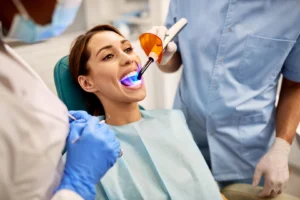
Strong teeth and healthy gums are not built in a single cleaning appointment. They are the result of small, repeated choices that either protect the mouth quietly over time or wear it down without much warning. Most people understand the basics, brush, floss, avoid too much sugar, but the details are where the real difference shows up. A general dentist sees that difference every day. Two patients can both say they brush twice daily, yet one has stable gums and no new decay while the other returns six months later with bleeding tissue, worn enamel, and a cavity between back teeth.
That gap usually comes down to technique, timing, diet patterns, saliva flow, and whether early warning signs were taken seriously. Oral health is not isolated from the rest of the body, either. Gum inflammation can complicate diabetes control. Dry mouth can turn a low-risk patient into a frequent cavity patient in a year. Grinding can crack otherwise healthy teeth. What matters is not perfection, but knowing which habits give the strongest return.
What strong teeth actually depend on
People often talk about “good teeth” as if they are mostly inherited. Genetics do matter. Some people have deeper grooves in their molars, thinner enamel, crowded teeth that trap plaque more easily, or naturally drier mouths. But in practice, daily conditions matter at least as much as genetics, and often more.
Enamel is remarkably strong, yet it is not self-healing in the way skin is. Once acid softens it repeatedly and a cavity breaks through, the tooth cannot rebuild that area on its own. Gums behave differently. Early gingivitis, the first stage of gum inflammation, can often improve significantly with better plaque control and professional cleaning. That is why timing is so important. Catching trouble while it is still limited to surface irritation is much easier than treating bone loss around teeth later.
A general dentist tends to look at the mouth less as a set of individual teeth and more as a system. Saliva, bacteria, bite pressure, diet, breathing habits, medications, and home care all interact. A patient with a fairly average diet but severe nighttime dry mouth may get more cavities than someone who occasionally eats dessert but has strong saliva flow and excellent brushing technique. This is one reason generic advice often falls short. The right plan depends on the pattern behind the problem.
The brushing mistakes that matter most
Many adults brush every day and still leave behind the plaque that causes the most trouble. The problem is usually not effort. It is angle, pressure, and consistency.
The gumline is the critical area. Plaque likes to collect where the tooth meets the gum, especially on the outer surfaces of the upper back teeth and the inner surfaces of the lower front teeth. If the bristles skim over the middle of the teeth but do not gently sweep along the gumline, that plaque stays put. Over time, gums get puffy, bleed easily, and can begin to pull away from the teeth.
Scrubbing harder does not solve this. In fact, overly aggressive brushing can wear notches into the necks of teeth and contribute to gum recession. I have seen patients who were convinced they had weak enamel when the real issue was a stiff brush and years of horizontal scrubbing. Their teeth were not dirty. They were injured.
A soft-bristled brush, whether manual or electric, is enough for most people. The better question is whether you are brushing every surface thoroughly for a full two minutes and reaching the back molars without rushing. Electric brushes are helpful for many patients because they improve consistency. They are not magic, but they reduce the chance of uneven pressure and make it easier to cover the mouth systematically.
Timing matters too. If you have just had something acidic, soda, citrus, sports drinks, vinegar-heavy foods, brushing immediately can rub softened enamel. Waiting around 30 minutes is usually wiser, especially if the drink was highly acidic. A rinse with water right after the meal helps.
Flossing is less about the string and more about the contact
Few oral hygiene topics are as misunderstood as flossing. Many people think it “doesn’t work for them” because they have been snapping floss through the contact and pulling it back General Dentist out. That motion may dislodge some food, but it does very little to clean the side of the tooth under the contact point, which is where cavities between teeth often begin.
The floss needs to curve around the tooth in a C-shape and slide gently under the gum edge. Then it should wipe the surface as it moves up and down. That is the cleaning action. Without it, floss becomes more symbolic than useful.
For people with arthritis, limited dexterity, braces, bridges, or wider spaces, floss picks, interdental brushes, or water flossers may be more realistic. A general dentist should help match the tool to the mouth rather than insisting on one method for everyone. The best interdental cleaner is the one the patient can use correctly and regularly.
One practical example stands out. Patients with crowded lower front teeth often tell me they floss “most nights” but still get tartar buildup there. When we slow down and look at technique, the floss often never wraps around the back side of those crowded teeth. A tiny interdental brush or a different floss texture can make a bigger difference than more determination.
Food habits shape the mouth more than most people realize
Sugar matters, but frequency often matters more than quantity. A dessert eaten with dinner is usually less harmful than sipping a sweet coffee for three hours every morning. Each sugary or starchy exposure feeds acid-producing bacteria. The mouth then spends time trying to recover and remineralize. If new sugar arrives before that process finishes, the teeth stay in a low-grade acid cycle.
Sticky foods add another wrinkle. Dried fruit, chewy candy, crackers, and chips can cling to grooves and between teeth longer than people expect. Something does not have to taste sweet to contribute to decay. Refined starches break down quickly and can fuel the same bacteria.
This does not mean every patient needs a severe diet. It means the mouth benefits from fewer, more contained exposures. Water between meals helps. So does eating sweets with meals instead of grazing on them alone. Cheese, nuts, and fibrous foods can be friendlier choices for snacks because they stimulate saliva and are less likely to coat the teeth.
Acid deserves equal attention. Energy drinks, sparkling beverages, citrus water, and frequent lemon in tea can wear enamel even without much sugar. The pattern is familiar: a patient has little plaque, no obvious hygiene issue, but their enamel looks thin, glossy, and flattened. When you ask about habits, they have been sipping flavored carbonated drinks all day because they thought they were healthier than soda. For the waistline, perhaps. For enamel, not necessarily.
Gums tell the truth early
Healthy gums are usually quiet. They do not bleed every time you floss. They are not persistently swollen or tender. Bleeding is often the first sign that plaque has been sitting at the gumline long enough to trigger inflammation. People sometimes stop flossing because the gums bleed, when in fact that is usually the moment flossing, done gently and correctly, becomes more important.
Gum disease can progress with surprisingly little pain. That is part of what makes it dangerous. Early gingivitis may produce only occasional bleeding or bad breath. More advanced periodontitis can involve bone loss around the teeth, deeper pockets, gum recession, shifting teeth, and eventually tooth loss. By the time a tooth feels loose, the process has often been active for quite a while.
Certain groups need to be especially watchful. Smokers and people who vape nicotine can have altered gum blood flow, which may mask obvious bleeding while disease still progresses. Patients with diabetes often have a more intense inflammatory response and may heal more slowly if blood sugar is not well controlled. Pregnant patients can notice exaggerated gum tenderness and swelling because hormones affect the way gum tissue responds to plaque.
When a general dentist recommends periodontal maintenance rather than a routine cleaning, that distinction matters. It usually means the condition has moved beyond simple surface buildup and needs closer management. Patients sometimes resist because the visits feel more frequent or more involved. But stabilizing gum health early is far less invasive than trying to save teeth after years of bone loss.
Dry mouth is not a minor annoyance
Saliva protects the mouth constantly. It buffers acids, helps clear food debris, supports remineralization, and makes swallowing and speaking more comfortable. When saliva drops, the mouth becomes much more vulnerable to cavities, particularly around the gumline and along the edges of older fillings.
Dry mouth is common in adults who take medications for blood pressure, anxiety, depression, allergies, pain, or sleep. Mouth breathing, CPAP use, autoimmune conditions, radiation treatment, and dehydration can also play a role. The pattern a general dentist sees in dry-mouth patients is often distinctive: widespread decay in places that would not usually be high-risk, sore tissues, stringy saliva, or a complaint that food sticks to the cheeks at night.
A few practical steps can help:
- Sip plain water regularly, especially between meals and before bed if the mouth feels dry.
- Use fluoride toothpaste consistently and ask whether a higher-fluoride prescription paste is appropriate.
- Limit constant snacking and frequent acidic drinks, since the mouth has less natural defense.
- Consider sugar-free gum or lozenges with xylitol if your dentist says they are suitable for you.
- Review medications and symptoms with both your physician and dentist when dry mouth becomes persistent.
This is one area where prevention pays quickly. Once root surfaces begin to decay in a dry mouth, treatment can become repetitive and frustrating. Managing the cause, not just the cavities, is the smarter route.
Nighttime grinding can undo good habits
Some of the strongest-looking teeth in the mouth can still fracture from force. Clenching and grinding place heavy pressure on enamel, fillings, and the jaw joints. Patients often do not know they grind until a partner mentions the sound, a molar cracks, or they wake with jaw soreness and tension headaches.
Grinding does not always produce dramatic symptoms. Sometimes the signs are subtle, flattened biting edges, tiny craze lines, sensitive teeth, or tenderness in the chewing muscles. Stress can worsen it, but bite anatomy, sleep disorders, and certain medications can contribute too. This is where a dentist’s clinical judgment matters. Not every worn tooth needs major reconstruction, and not every sore jaw needs an aggressive appliance. But a custom night guard can be a valuable protective measure when the pattern is clear.
I have seen careful patients lose a large filling because of pressure, not decay. They brushed well, came to appointments on time, and still needed urgent repair because a cracked cusp finally gave way. Their frustration was understandable. The lesson was simple: oral health is not only about cleanliness. Mechanics matter.
Regular visits work best when they are personalized
The traditional six-month dental visit is a useful benchmark, but it is not a law of nature. Some low-risk patients with excellent home care, strong saliva flow, and no history of active disease may remain stable on that schedule for years. Others need shorter intervals because they build tartar quickly, have a history of gum disease, wear orthodontic appliances, or are prone to decay.
A good general dentist looks for trend lines. Are pockets getting deeper? Is the same area bleeding repeatedly? Are there early demineralized spots that have not cavitated yet? Is a filling margin beginning to break down? The point of regular care is not merely to polish the teeth. It is to catch change while the fix is still conservative.
X-rays are part of that judgment. Bitewing X-rays can reveal decay between teeth, bone levels, and other issues that a mirror cannot. They are not needed on exactly the same schedule for every person, but refusing all dental X-rays for years can mean missing decay until it is large enough to cause pain or require a crown instead of a small filling.
The home-care routine that usually delivers the best results
Most adults do not need a complicated regimen. They need a manageable one they can repeat without fail. A routine that takes four focused minutes per day and is done consistently usually beats an ambitious routine followed only during bursts of motivation.
For many patients, a practical baseline looks like this:
- Brush twice daily for two minutes with fluoride toothpaste, paying special attention to the gumline and back molars.
- Clean between the teeth once daily with floss, interdental brushes, or another dentist-recommended tool.
- Rinse with water after acidic or sugary drinks, especially if sipping cannot be avoided.
- Replace the toothbrush or brush head every three months or sooner if the bristles splay.
- Keep recall appointments based on your actual risk, not just habit or convenience.
That may sound simple, but execution matters. The patients who stay stable over the long term usually have a routine that survives travel, late nights, work stress, and busy family schedules. They do not rely on intention. They build a system.
When sensitivity is trying to tell you something
Tooth sensitivity is often dismissed as normal, especially when it comes and goes. Sometimes it is minor, such as temporary sensitivity after whitening or exposure of a small root surface from slight gum recession. But persistent sensitivity can also signal enamel wear, clenching, a crack, decay, or gum recession that is progressing.
Cold sensitivity tends to get the most attention, though sweets and biting pressure can be more telling. A sharp zing to cold that lingers may suggest a more irritated nerve than a quick, passing twinge. Pain when releasing from a bite can point toward a crack. Sensitivity around the gumline may improve with a desensitizing toothpaste if the cause is exposed dentin, but if symptoms are new or worsening, that should not be a do-it-yourself diagnosis for long.
One recurring mistake is alternating very hot and very cold foods in a mouth already irritated by grinding or recession. Another is overusing whitening products while ignoring the sensitivity they provoke. Cosmetic goals should never outrun tissue health.
Children, adults, and older patients need different emphasis
Advice should change with age. Children often need attention to brushing supervision, sealants, and reducing frequent snack exposure. Teenagers with braces need extra support around plaque retention and white-spot prevention. Adults may be balancing stress, grinding, coffee habits, and deferred care from busy years. Older adults are more likely to face dry mouth, root exposure, medication effects, and wear on existing dental work.
That last category deserves more attention than it gets. People are keeping their natural teeth longer, which is excellent, but it also means they are living longer with crowns, fillings, implants, recession, and decades of bite forces. A healthy 70-year-old mouth may not need dramatic treatment, but it often needs careful maintenance and realistic planning. Replacing a large old filling before it breaks catastrophically can be smarter than waiting for an emergency.
What patients often wish they had known earlier
Many of the hardest dental problems are not sudden. They are the end point of something small that was ignored because it did not hurt yet. A little bleeding, a chipped edge, a skipped cleaning, a dry mouth that seemed like nothing, a sports drink habit that became daily, a night guard never replaced after the dog chewed it. The mouth keeps score quietly.
The encouraging part is that improvement does not usually require extreme measures. Better brushing along the gumline can calm gingivitis within weeks. Reducing all-day sipping can lower cavity risk noticeably. Addressing dry mouth can stop a bad cycle before it becomes expensive. Wearing a night guard can preserve work that already cost time and money to complete.
A skilled general dentist is not only there to fill cavities. The broader role is to identify patterns, help patients understand risk, and steer them toward the smallest effective intervention before a bigger one becomes necessary. Stronger teeth and healthier gums come from that partnership, built appointment by appointment and habit by habit.
Aspenwood Dental Associates and Colorado Dental Implant Center
2900 S Peoria St Ste C, Aurora, CO 80014, United States
+1 303-731-4037
FAQ About General Dentist
How long do teeth fillings last in Aurora, CO?
Fillings can last for years, but they are not lifetime restorations. Their durability depends on the material, the size and location of the filling, chewing forces, and oral hygiene. A general dentist can examine a filling for wear, damage, or new decay and explain whether monitoring, repair, or replacement is appropriate. Age alone does not establish that a filling needs replacement.
How Can I Reduce Dental Anxiety?
Tell the dental team about your concerns when booking and again at your visit. Ask for an explanation of each step, agree on a signal for breaks, and consider slow breathing or headphones if the practice permits them. Discuss pain control and any sedation options with the dentist; suitability depends on your health, medicines, and planned treatment.
When should your child first see a dentist in Aurora?
Arrange the first dental visit within six months after the first tooth appears and no later than the first birthday. Early visits allow the dentist to assess development and discuss brushing, fluoride, feeding habits, and cavity prevention. Ask the practice whether it sees infants and how it handles referrals when a child needs specialist care.