Column · @finncayx206
Dental Emergency Aurora FAQs for First-Time Patients


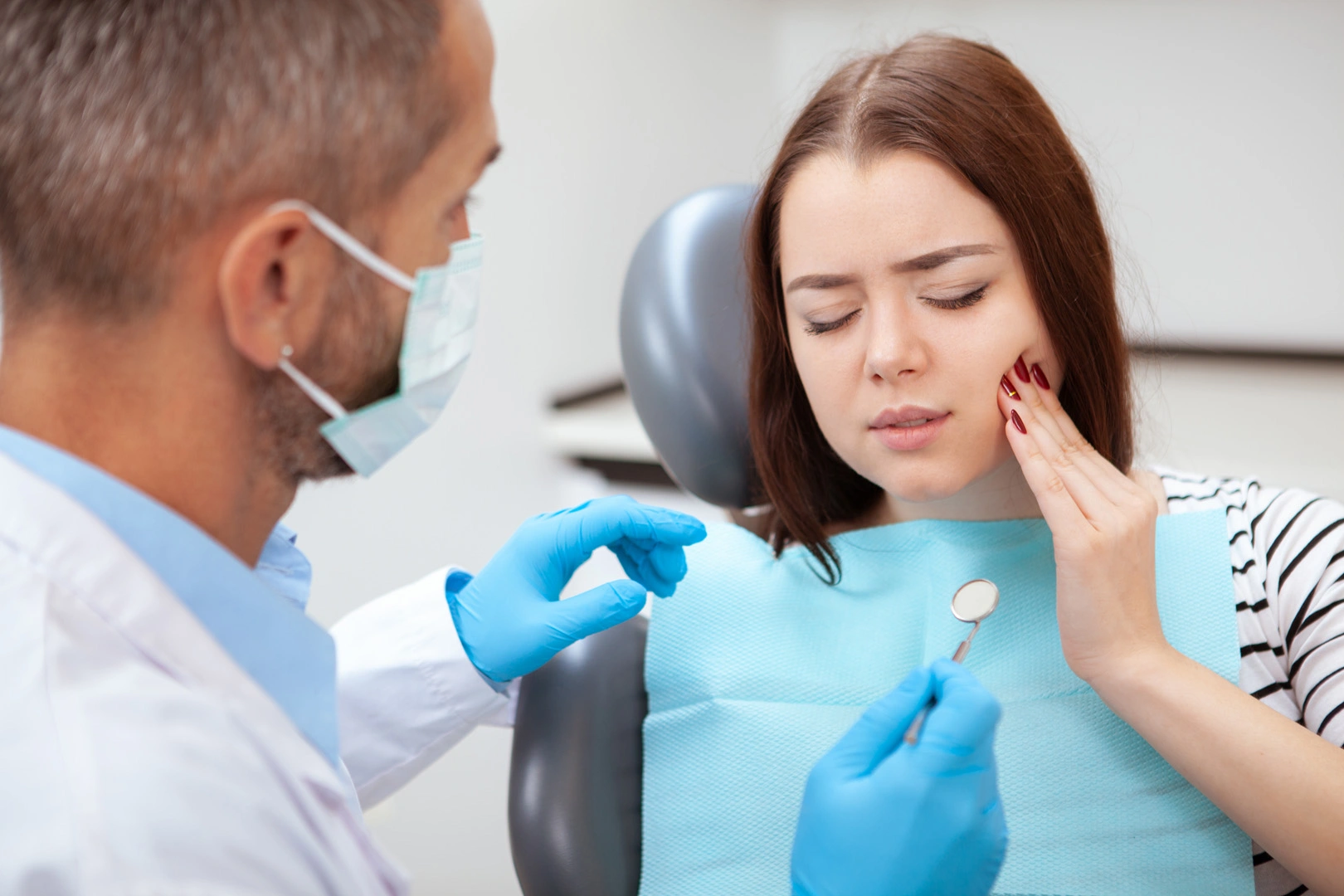
A dental emergency has a way of rearranging the day in an instant. One moment you are drinking coffee, driving to work, or supervising your child’s soccer practice. The next, you are holding your jaw, searching for a clinic, and trying to decide whether the problem can wait until tomorrow. For first-time patients, the uncertainty is often worse than the pain. People want to know whether the situation is serious, how quickly they need care, what a dentist can actually do on short notice, and whether they are about to face a very expensive visit.
Those are practical concerns, and they deserve practical answers. If you are looking for help with a Dental Emergency Aurora situation, it helps to understand what clinics usually consider urgent, what to do before you arrive, and what the first visit tends to look like. In a true emergency, clear information lowers the odds of making a painful problem worse.
What actually counts as a dental emergency?
Not every tooth problem is an emergency, but many are more time-sensitive than people realize. A genuine dental emergency usually involves one of three things: severe pain, active infection, or damage that affects the survival of a tooth. Bleeding that does not stop, facial swelling, trauma from a fall or sport, and a tooth that has been knocked out all belong in the urgent category.
Pain alone can be tricky. A dull ache that comes and goes may be a cavity or a cracked filling, and it still deserves attention, but it may not need immediate same-hour treatment. Sharp pain when biting, sudden throbbing that keeps you awake, or pain paired with swelling often points to a deeper problem, such as a cracked tooth, inflamed nerve, or abscess. That is when waiting can become costly, because dental problems rarely reverse on their own.
I have seen many patients try to “test” a painful tooth for a few days by chewing on the other side, rinsing with salt water, or taking over-the-counter pain medication around the clock. Sometimes that buys a little time. Just as often, the tooth crosses from treatable discomfort into a root canal, extraction, or spreading infection. Timing matters more in dentistry than people expect.
If I am not sure it is an emergency, should I still call?
Yes. Call. A good front desk team can often tell, from a few focused questions, whether you need same-day care, next-day care, or a standard appointment. They will usually ask when the problem started, whether pain is constant or triggered, whether swelling is present, and whether the tooth was injured.
The phrase Dental Emergency Aurora often leads people to think only of dramatic accidents, but most urgent dental visits are less cinematic. A crown falls off during lunch. A molar cracks on popcorn kernels. An old filling breaks, leaving a razor-sharp edge against the tongue. A gum infection flares over a weekend. These may not look dramatic, but they can still require prompt care.
One useful rule is this: if you are losing sleep, unable to eat normally, unable to function at work, or worried about infection, the office should hear from you as soon as possible.
Which symptoms mean I should not wait?
There are certain signs that push the issue from “important” to “urgent.” Facial swelling is a major one, especially if it is getting worse. A dental infection can move beyond the tooth and into surrounding tissue. Difficulty swallowing, trouble breathing, or swelling that affects the eye or neck is no longer just a dental concern. That requires immediate medical attention.
Persistent bleeding after an injury also needs quick evaluation. So does a knocked-out permanent tooth. With an avulsed tooth, minutes matter. The chance of saving it drops as dry time increases. If you can get to a dentist quickly, the tooth sometimes can be repositioned and stabilized.
Children add another layer of confusion for parents. If a baby tooth is knocked out, it is generally not replanted. A permanent tooth is different. That distinction is one reason it is smart to call instead of guessing.
What should I do before I get to the dentist?
The right first-aid steps can reduce pain and improve the odds of preserving the tooth. In many emergencies, what you do in the first thirty minutes matters.
- For a knocked-out permanent tooth, hold it by the crown, not the root. If it is dirty, rinse it gently with water. Do not scrub it. If possible, place it back in the socket. If that is not possible, keep it in milk or inside the cheek and get to the dentist fast.
- For swelling, use a cold compress on the outside of the face in short intervals. Do not place aspirin directly on the gum. That old home remedy can burn soft tissue.
- For bleeding, apply gentle pressure with clean gauze or cloth. If the bleeding is from a recent extraction and does not slow, call the office for guidance.
- For a broken tooth or lost filling, save any large pieces if you can. Rinse your mouth with warm water and avoid chewing on that side.
- For severe toothache, take medication only as directed on the label unless a doctor or dentist tells you otherwise. Heat on the face often makes throbbing worse, so cold is usually the safer choice.
These steps do not replace treatment. They simply help you arrive in better shape than you would otherwise.
What happens when I call a dental office in Aurora with an emergency?
First-time patients often worry that a clinic will not see them because they have never been there before. In reality, emergency scheduling is common, and most offices try to leave room for urgent cases. They may not promise a full definitive procedure on the spot, because that depends on the diagnosis, time available, and complexity. They can usually provide an exam, imaging, pain relief, and a stabilization plan.
Expect the call to move quickly. The scheduler may ask about pain level, swelling, trauma, medical conditions, and whether you have insurance. If your issue sounds severe, they may advise immediate arrival. If there are signs of systemic illness, they may direct you to urgent medical care first.
This is also the moment to mention anything that changes treatment planning, such as pregnancy, blood thinners, heart conditions, uncontrolled diabetes, or a strong gag reflex. Those details influence what medications are safe and whether certain procedures should be modified.
Will they treat me on the first visit, or just examine me?
Often both. The purpose of an emergency visit is to diagnose the cause and relieve the immediate problem. Sometimes that means completing treatment the same day, such as smoothing a sharp edge, recementing a crown, draining a localized abscess, placing a temporary restoration, or extracting a non-restorable tooth. Sometimes the right move is a temporary measure that gets you comfortable enough to return for a longer procedure.
This distinction matters because many dental emergencies are not simple. A tooth with deep decay may need a root canal, but if the office schedule does not allow enough time, the dentist may first remove inflamed tissue, prescribe medication if appropriate, place a temporary filling, and arrange a follow-up. That is not incomplete care. It is staged care, and in dentistry that is often the safest choice.
Patients are sometimes disappointed when a visit does not “fix everything” in one hour. But a thoughtful temporary plan can be the difference between rushed work and durable work. If the tooth can be saved, preserving that option is usually worth an extra appointment.
Will I need X-rays?
Very likely, yes. Many urgent dental problems cannot be judged accurately by looking alone. A cracked cusp, abscess near the root, hidden decay under a filling, bone loss around a tooth, or trauma affecting the root often shows up more clearly on an X-ray than in a mirror.
People occasionally hesitate because they had X-rays somewhere else last year. That may still not be enough. Emergency imaging is about the current problem, not just routine records. If a clinic can legally and quickly obtain recent images from another office, they may. But when pain is active and time matters, a fresh image is often the fastest path to the right diagnosis.
I am terrified of the dentist. Can an emergency visit still work for me?
Yes, and frankly, emergency patients are often among the most anxious. Pain strips away the emotional buffer people rely on during a normal checkup. The key is telling the office that anxiety is part of the problem, not something extra to hide.
A skilled emergency team adjusts. They explain what must happen now versus what can wait. They numb first and talk second when that is the kindest route. They avoid overwhelming a frightened patient with five future recommendations before addressing the immediate pain. Good emergency care has a calm, narrowed focus.
In practical terms, many nervous first-time patients do better when they ask for one thing clearly: “Please tell me what you are doing before you do it.” That small agreement can change the whole appointment. Some people want every detail. Others want the minimum explanation possible. Either preference is fine if you say it out loud.
What if I do not have a regular dentist?
That is common. Dental emergencies often expose gaps in routine care that people have been meaning to address for months or years. Maybe they moved. Maybe insurance changed. Maybe life got crowded. An urgent clinic visit is not the time for shame. It is the time to solve the problem in front of you.
For someone searching Dental Emergency Aurora services without an existing provider, focus on responsiveness, clarity, and willingness to explain next steps. You want an office that can triage quickly, discuss costs without evasiveness, and make a realistic plan based on the tooth’s condition rather than pressure tactics.
There is a real difference between a clinic that says, “Here is what must happen today, here are the options for the rest,” and one that uses an emergency as leverage for a much larger sales conversation. Patients can usually feel that difference within ten minutes.
How much will an emergency dental visit cost?
There is no honest one-price answer, because the fee depends on what is found and what is done. An emergency exam and X-rays are one category of cost. Treatment is another. A simple palliative visit with an exam, imaging, and temporary measure will cost less than an extraction, root canal, or crown-related repair.
The useful question is not “How much is a dental emergency?” but “What are the possible layers of cost?” Usually those layers include the urgent exam, diagnostic imaging, immediate treatment, medications if needed, and any follow-up procedure. Ask the office to separate those costs when possible. That makes decisions much easier.
Insurance can help, but benefits vary widely, especially for major procedures. Some plans cover emergency exams at a better rate than restorative treatment. Others have waiting periods or annual maximums that patients do not discover until they are already in pain. It is reasonable to ask the office to estimate your share, while also understanding that estimates are not guarantees until the diagnosis is confirmed.
Are antibiotics enough to fix a dental infection?
Usually not. This is one of the most persistent misunderstandings in emergency dentistry. Antibiotics can help control the spread of bacterial infection and are sometimes necessary, especially when swelling is present. But they do not remove the source of the problem if the issue is inside the tooth or under the gum. The source still has to be treated by draining the infection, performing root canal therapy, cleaning the area, or removing the tooth.
A patient may feel dramatically better after a couple of days on antibiotics and assume the problem is gone. Then the flare-up returns a month later, often worse than before. That pattern is common. Relief is not the same as resolution.
There is another wrinkle here. Not every dental pain requires antibiotics. A cracked tooth with an inflamed nerve can be excruciating and still not benefit from them. Prescribing antibiotics when they are not indicated is poor care. The best emergency dentists are careful about that.
What if my tooth is broken but not painful?
It still needs prompt evaluation. A painless fracture can hide deeper damage. Small chips in front teeth may be cosmetic, but cracks in back teeth can worsen quickly under chewing pressure. A person bites on one side for days, feels mostly fine, and then the crack reaches the nerve or splits the tooth below the gum line. At that point, the treatment options narrow.
One of the most expensive words in dentistry is “wait.” Not always, but often enough. A manageable repair can turn into a root canal and crown, or an extraction and implant, simply because the tooth kept taking force after it was compromised.
What should I bring to the appointment?
If you are headed to an emergency dental visit for the first time, the goal is to remove avoidable delays. A little preparation helps the team move faster and more safely.
- Bring photo identification, your insurance card if you have one, and a list of medications.
- Bring any dental piece that came out, such as a crown, filling, retainer fragment, or part of a broken tooth.
- Bring relevant medical information, especially allergies, pregnancy status, recent surgeries, or use of blood thinners.
- Bring a record of when symptoms started and what makes them better or worse.
- Bring a parent or trusted adult if you are very anxious, sedated, or in too much pain to drive comfortably afterward.
Patients often underestimate how useful that medication list is. Something as ordinary as a blood thinner, bisphosphonate, or immunosuppressive drug can change the treatment plan immediately.
Can I go to work after emergency treatment?
Sometimes yes, sometimes no. It depends on what was done, whether local anesthetic is still active, and whether you received sedation or stronger pain medication. A short palliative appointment may leave you fully able to return to work, though speaking-heavy jobs can be uncomfortable if the lip or tongue remains numb. An extraction or drainage procedure may call for a lighter day, limited exertion, and a little privacy while bleeding settles.
If your work involves public speaking, customer interaction, heavy lifting, or driving long distances, mention that before treatment begins. Dentists can often tell you whether your plan is compatible with returning to work or whether you should rearrange the day.
Why do some dental emergencies happen outside office hours?
Because teeth seem to have a talent for bad timing. More seriously, many emergency issues build gradually and then cross a threshold in the evening Dental Emergency Aurora or on a weekend. Pressure inside a tooth increases. A small crack finally gives way during dinner. A child gets hit with a ball on Saturday afternoon. By the time patients start searching for Dental Emergency Aurora help, the problem may have been brewing for weeks.
That is why it helps to know, before trouble starts, which local offices offer same-day urgent appointments or after-hours guidance. It is easier to make a calm decision when you are not doing your first search with one hand on your cheek.
How can I tell whether the tooth can be saved?
You usually cannot tell at home, and even in the chair it may take an exam and imaging to know. The major factors are how much healthy structure remains, whether the root is intact, how deep the crack extends, the level of infection, and the condition of the surrounding bone and gums.
Patients are sometimes surprised when a very painful tooth is still savable, while a less painful one is not. Pain measures inflammation, not necessarily restorability. I have seen badly infected teeth recover beautifully after root canal treatment and proper restoration. I have also seen relatively quiet teeth split below the gum line in a way no filling or crown could reasonably fix.
A trustworthy dentist will explain not just the preferred option, but why the alternatives are weaker. That part matters. “We can try to save it” sounds hopeful, but without discussing long-term prognosis, it aspenwooddental.com Dental Emergency Aurora can also be misleading. First-time patients should feel free to ask, “If this were your tooth, what would you do?” The answer often reveals how confident the outlook really is.
The bigger picture after the emergency is over
An emergency visit solves the urgent problem, but it often uncovers the conditions that led there: untreated decay, heavy grinding, worn restorations, delayed cleanings, or a bite issue that has been overloading one tooth for years. That is not a moral failing. It is simply what dentists see every day.
The smartest next step after an emergency is not just to finish the recommended treatment, but to address the reason the emergency happened. A night guard can prevent repeat fractures in a grinder. Regular exams can catch failing fillings before they become weekend pain. A crown placed at the right time can save a tooth that would otherwise split.
For first-time patients, the best urgent dental experience is one that leaves you with two things: immediate relief and a believable plan. Pain needs to come down fast. The diagnosis needs to make sense. Costs need to be explained plainly. And the office should help you understand what is necessary now, what can wait briefly, and what deserves attention before the next emergency chooses its moment.
Aspenwood Dental Associates and Colorado Dental Implant Center
2900 S Peoria St Ste C, Aurora, CO 80014, United States
+1 303-731-4037
FAQ About Dental Emergency Aurora
What qualifies as a dental emergency?
A dental emergency is any oral injury or condition that involves severe pain, uncontrolled bleeding, or a potential infection that puts a tooth or your overall health at risk.
Can the ER do anything for a tooth?
AI Overview An emergency room (ER) cannot fix or pull a tooth, perform root canals, or provide long-term dental care, because most ERs do not have dentists on staff.
What is the 3-3-3 rule for tooth infection?
The 3-3-3 rule for a tooth infection or severe toothache is a short-term over-the-counter pain management strategy. It involves taking 600 mg of ibuprofen (typically three 200 mg tablets) 3 times a day for no more than 3 days.